Club Officer Positions and What Each One Does
What club officers do: president, VP, treasurer, secretary and optional roles, plus how many officers you need and how elections work.

Updated November 2026
Quick answer: Most college clubs have four core officers: a president who leads and represents the club, a vice president who backs up the president and runs projects, a treasurer who manages money and the budget, and a secretary who keeps records and communication. Larger clubs add chairs for events, fundraising, social media, membership, merch and service.
A good exec board makes a club feel easy to run and easy to join. If you're setting one up, try to have officers in place before your first general meeting of the term, and plan any officer gear about 4 to 6 weeks before you want it.
This guide is for club presidents and founders building an exec board, and for members thinking about running for a role. It works for academic, cultural, service, honor society, club sports, arts, faith-based and pre-professional orgs. Starting from zero? Read How to Start a Club in College first.
What are the officer positions in a club?
The common club officer positions are president, vice president, treasurer and secretary, plus optional chairs for specific jobs. Your club constitution sets the official list, and your campus student activities or involvement office may require certain roles, usually a president and a treasurer or money contact.
| Position | Main job | Best for someone who | Time per week |
|---|---|---|---|
| President | Leads the club, runs meetings, talks to the school | Likes the big picture and is comfortable speaking up | A few hours, more in busy weeks |
| Vice president | Backs up the president, runs projects, steps in when needed | Wants to lead without being the face of everything | A couple of hours |
| Treasurer | Tracks money, builds the budget, handles reimbursements | Is organized with numbers and follows through | A couple of hours, more near deadlines |
| Secretary | Takes minutes, keeps records, sends updates | Writes clearly and likes keeping things tidy | One to two hours |
| Events chair | Plans meetings, socials and big events | Loves logistics and checklists | A few hours around each event |
| Fundraising chair | Plans and runs fundraisers | Is outgoing and goal-driven | A few hours during a fundraiser |
| Social media / communications chair | Runs club accounts, flyers and newsletters | Is creative and posts consistently | One to three hours |
| Membership / recruitment chair | Brings in new members and keeps them involved | Is friendly and remembers names | A couple of hours, more at the start of term |
| Merch chair | Designs and orders club shirts and gear | Has a good eye and meets deadlines | An hour or two, more during an order |
| DEI or community chair | Makes sure the club feels welcoming to everyone | Listens well and cares about belonging | One to two hours |
| Historian | Takes photos and keeps the club's story | Likes photos, scrapbooks and memories | About an hour |
| Service chair | Plans volunteer projects | Wants the club to give back | A couple of hours around each project |
Time per week varies a lot by club size and time of year. Treat these as rough guides, not rules.
What do the core club officers do?
The president leads, the vice president supports and covers, the treasurer handles money, and the secretary keeps records. Every club needs those four jobs done, even if a small club combines two of them into one person.
President
The president is the club's main leader and its contact with the school. It's the biggest time commitment on the board.
- Sets the agenda and runs general and exec meetings
- Represents the club with the student activities office, advisor and other orgs
- Keeps officers on track and checks in when something stalls
- Signs off on big decisions, events and spending with the board
- Makes sure the club follows its constitution and campus rules
- Plans officer elections and the handoff to next year's board
Vice President
The vice president is the president's backup and the board's project lead. Many clubs also give the VP one area to own, like events or internal operations.
- Runs meetings when the president can't
- Leads special projects or a committee
- Helps new officers learn their roles
- Tracks officer to-do lists between meetings
- Often takes over if the president steps down mid-year
Treasurer
The treasurer manages the club's money and keeps every dollar on the record. Club treasurer responsibilities usually follow your school's finance rules closely.
- Builds a simple budget for the term or year
- Tracks income, spending and dues in one shared sheet
- Handles reimbursements and keeps receipts
- Applies for student government or activities funding when it's offered
- Keeps money in the club's official campus or bank account, never a personal one
- Gives a short money update at meetings
Secretary
So, what does a club secretary do? The secretary keeps the club's records and makes sure members know what's going on.
- Takes meeting minutes and shares them after each meeting
- Keeps the member list and attendance up to date
- Sends meeting reminders and announcements
- Stores the constitution, past minutes and key files in one shared folder
- Books rooms and handles basic paperwork with the school
What optional officer roles can a club add?
Optional roles take specific jobs off the core four once the club grows. Add them when one officer is clearly doing too much, not just to fill a slate.
Events chair
Plans general meetings, socials and big events from start to finish. Handles rooms, supplies, sign-ups and day-of setup.
Fundraising chair
Plans fundraisers and works with the treasurer on goals and tracking. For ideas, see Fundraising Ideas for Clubs and Student Organizations.
Social media / communications chair
Runs the club's accounts, flyers and newsletter. Keeps posting steady so new students can find the club.
Membership / recruitment chair
Recruits new members at involvement fairs and the start of each term. Welcomes newcomers and checks in on members who drift away.
Merch chair
Designs and orders club shirts and gear, and collects sizes and payments. Works with the treasurer and checks campus rules on school names and logos.
DEI or community chair
Helps the club feel welcoming to every member, whatever their background. Plans events and checks that club habits don't leave anyone out.
Historian
Takes photos at events and keeps the club's story for future members. Often builds an end-of-year slideshow or scrapbook.
Service chair
Finds volunteer projects and organizes members to show up. Tracks service hours if your club or school requires them.
Which club officer role is best for you?
The best role is the one that matches what you already like doing. If you're thinking about running, here's a quick way to pick.
- Best for a first officer role: secretary or historian. Clear tasks, steady hours, and you learn how the club runs.
- Best for people who love planning: events chair. You'll own the calendar and the details.
- Best for numbers people: treasurer. Great experience for business, finance and pre-law majors.
- Best for building community: membership chair or DEI and community chair.
- Best for creative members: social media chair or merch chair.
- Best for future leaders: vice president. You learn the president's job with a safety net.
How many officers does a club need?
Most clubs need three to five officers, and bigger clubs need more. A small club can run on a president, a treasurer and one more person. A large club usually adds chairs so no one burns out.
| Club size | Active members | Suggested officers | Typical roles |
|---|---|---|---|
| Small | Under 15 | 3 to 4 | President, vice president, treasurer, secretary (VP and secretary can be one person) |
| Medium | 15 to 50 | 5 to 8 | Core four plus events, social media and membership chairs |
| Large | 50+ | 8 to 12+ | Core four plus most optional chairs, often with committees under each |
Check your campus rules before you finalize the slate. Some schools require a minimum number of officers, a set GPA, or that officers be enrolled full-time.
How do club officer elections work?
Most clubs elect officers once a year, usually in spring, with a vote of active members. The exact process lives in your constitution, so check it and your student activities office before you announce anything. Timing varies by campus.
- Read your constitution. Confirm which roles are elected, who can vote, who can run and how votes are counted.
- Announce the election. Share the open roles, what each one does and the date, at least two weeks ahead.
- Open nominations. Let members nominate themselves or others, then confirm each nominee accepts.
- Hold short speeches or a Q&A. Give each candidate a minute or two to share why they want the role.
- Vote. Use paper ballots or a simple online form, and keep it private.
- Count and confirm. Have the advisor or a non-candidate count, then share results with members.
- Report new officers to the school. Most student activities offices ask you to update your officer list in their system.
- Start the transition. Pair each outgoing officer with their replacement for at least one meeting.
If a role gets no candidates, your constitution usually lets the president appoint someone or hold a special election. Keep the process voluntary, open and friendly so members feel safe running.
What should outgoing officers hand off?
A good handoff saves the new board weeks of guessing. Outgoing officers can use this transition checklist before the term ends.
- Share login access for email, social media and any club accounts
- Update the officer list and signers with the student activities office
- Change who can access the club's official bank or campus account
- Hand over the budget sheet, receipts and remaining balance
- Pass on the constitution, past minutes and shared folder
- Write a one-page "what I wish I knew" note for your role
- List recurring events, deadlines and campus funding dates
- Introduce the new board to the advisor and key campus contacts
- Share past design files and vendor contacts for club merch
- Hold one joint meeting with old and new officers
Should club officers wear matching gear?
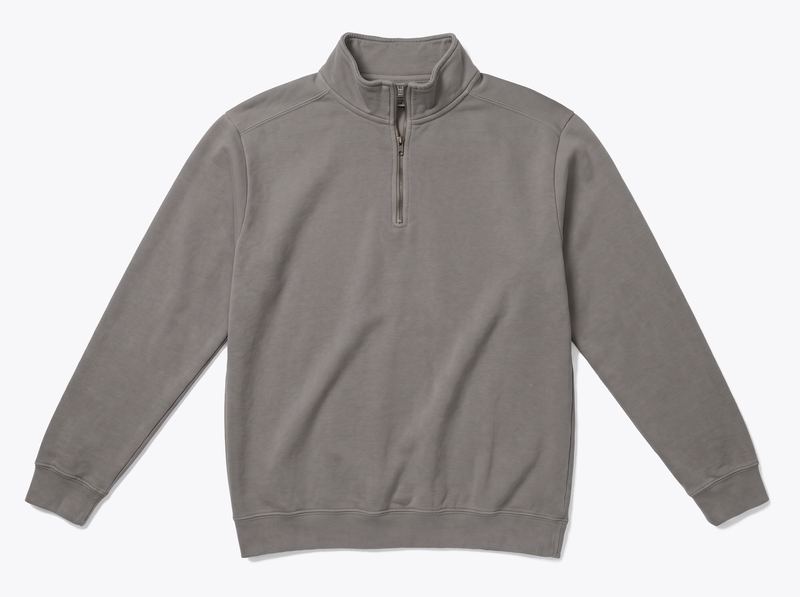
Matching officer gear isn't required, but it helps. When officers wear the same quarter-zip or polo at involvement fairs and events, new members know exactly who to ask.
- Officer quarter-zip: Comfort Colors 1580 quarter-zip or Sport-Tek ST850 quarter-zip, small one-color club name on the front, role title ("President", "Treasurer") on the back.
- Officer polo: a clean, dressy option for presentations, banquets and meetings with the school.
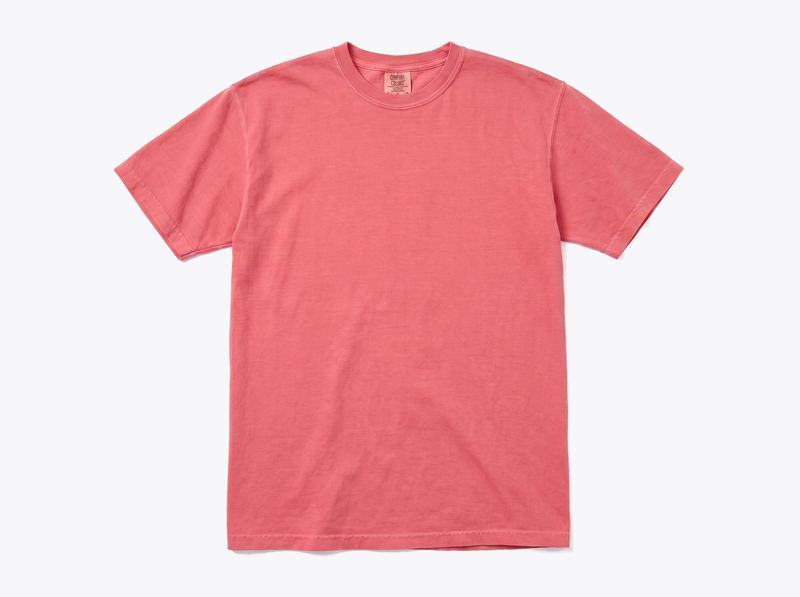
- Officer tee: Comfort Colors 1717 tee in one color the whole board shares, with a big back print reading "Ask me" above the role title.
If you're the merch chair, start about 4 to 6 weeks before the fair or event you want the gear for, and text your date so a designer can confirm timing. Rushie is a custom merch shop for student organizations, sororities and fraternities, with free design, same-day mockups, no order minimums and online group stores where members order and pay for themselves. Rushie calls that online group store a chapter store.
Using your school's name, mascot or logo on officer gear usually needs licensing or written approval, so check with your student activities office first. For more design ideas, see Student Council and Club T-Shirt Ideas.
For sororities and fraternities
Greek exec boards follow the same basic idea, but titles differ by national organization. A chapter may have a president and treasurer plus roles like recruitment, standards, risk management or philanthropy chair, and its national org sets the list and the election rules.
If you're a chapter officer, check your national org's officer manual and your campus fraternity and sorority life office. Officer gear with Greek letters or crests goes through your national org's licensing approval, which adds time. For shirt ideas by event, see Sorority Shirt Design Ideas for Every Event of the Year.
Club officer FAQ
What are the officer positions in a club?
The officer positions in most clubs are president, vice president, treasurer and secretary. Many clubs add chairs for events, fundraising, social media, membership, merch, service, community and history as they grow. Your constitution sets the official roles, and your campus student activities office may require specific ones.
What does a club president do?
A club president leads the organization. They run meetings, set goals, represent the club with the school and advisor, keep other officers on track and make sure the club follows its constitution and campus rules. The president also usually plans elections and the handoff to the next board.
What does a club treasurer do?
A club treasurer manages the club's money. They build the budget, track income and spending, collect dues, handle reimbursements, keep receipts and apply for campus funding. Treasurers should keep all money in the club's official campus or bank account and follow their school's finance rules.
What does a club secretary do?
A club secretary keeps the club's records and communication. They take meeting minutes, track attendance and the member list, send reminders and announcements, book rooms and store important files like the constitution. It's a great first officer role because the tasks are clear and the hours are steady.
How many officers should a club have?
Most clubs need three to eight officers, depending on size. Small clubs under 15 members can run on three or four, medium clubs often have five to eight, and large clubs with 50 or more members may need eight to twelve. Check your campus rules, since some schools set a minimum.
How are club officers elected?
Club officers are usually elected once a year by a vote of active members. The club announces open roles, takes nominations, hears short candidate speeches, then votes by private ballot. Rules on who can run and vote come from your constitution, so check it and your student activities office first.
Should club officers wear matching shirts?
Matching officer shirts are optional but helpful. Quarter-zips, polos or tees in one color with a role title on the back make it easy for new members to spot who to ask at fairs and events. Check campus rules before using your school's name or logo.
Ready to suit up your exec board?
Need officer gear? Text your idea to (513) 502-1696 and a designer will send a free mockup today.